
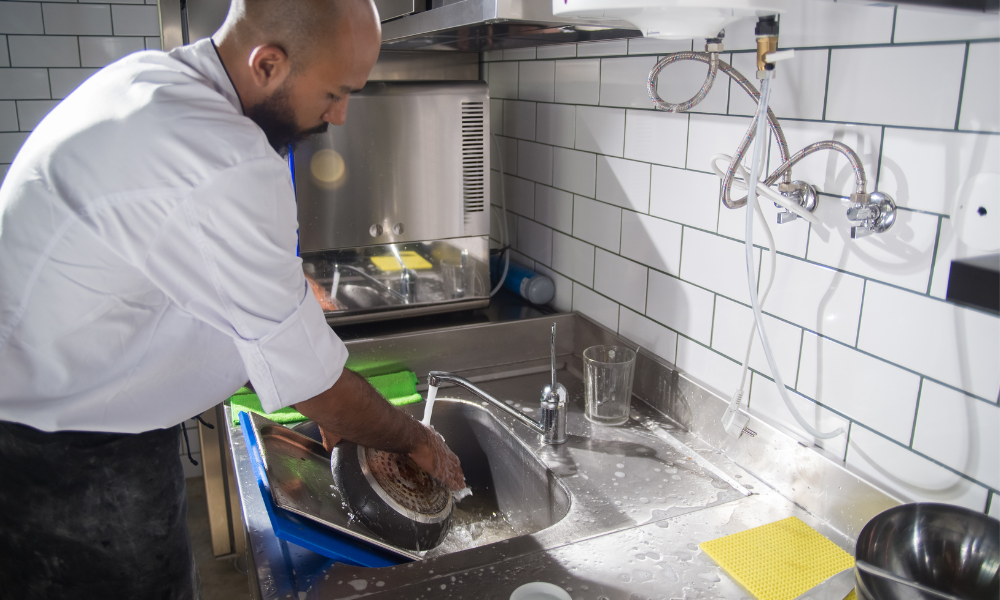
We rely on dishwashers to keep our dishes clean, but it is easy to forget that the machine itself needs regular maintenance. Over time, food particles, soap scum, grease, and mineral deposits build up inside. This buildup can lead to unpleasant odors, poor cleaning performance, and even mechanical issues. Learning how to clean a dishwasher properly keeps your kitchen smelling fresh and extends the lifespan of your appliance.
Why Cleaning Your Dishwasher Matters
It might seem counterintuitive to clean a machine that runs on soap and hot water every day. However, dishwashers are not self-cleaning.
- Prevents Unpleasant Odors: Trapped food particles decompose and cause foul smells.
- Improves Performance: Clean spray arms and filters allow water to flow freely, ensuring spotless dishes.
- Extends Appliance Lifespan: Removing lime scale and grease reduces wear and tear on internal components.
- Saves Energy and Water: A clean machine runs more efficiently, using less power to get dishes clean.
Signs Your Dishwasher Needs a Deep Clean
If you are not sure whether it is time for a scrub, look out for these common warning signs:
- Persistent bad smells coming from inside the tub.
- Visible food debris or grime along the door seals or bottom filter.
- White chalky residue (hard water deposits) on the interior walls or glassware.
- Water pooling at the bottom of the machine after a cycle.
- Dishes coming out dirty or covered in grit.
Gathering Your Cleaning Supplies
Before getting started, collect a few simple household items. You do not need harsh chemicals for routine maintenance.
- Distilled white vinegar
- Baking soda
- Warm, soapy water
- A soft-bristled brush or old toothbrush
- A microfiber cloth or sponge
- A toothpick or paperclip
Clear Out the Dishwasher
Start with a completely empty machine. Remove the bottom rack so you have easy access to the bottom tub, filter assembly, and heating element. If the top rack is easily removable, take that out as well to give yourself maximum room to work.
Remove and Clean the Filter
The filter is located at the bottom of the dishwasher tub, usually under the lower spray arm. It traps large food particles to prevent them from clogging the drain.
- Twist and lift the filter assembly out according to the manufacturer’s instructions.
- Rinse it under warm running water to remove loose debris.
- Scrub gently with a soft brush and mild dish soap to clear away grease and stubborn grime.
- Rinse thoroughly and set it aside.
Inspect and Clean the Spray Arms
Water flows through small nozzles on the upper and lower spray arms. If these tiny holes get blocked by hard water deposits or food bits, water pressure drops significantly.
- Remove the spray arms if your model allows it (consult your manual).
- Inspect the holes for any visible clogs.
- Use a toothpick or paperclip to gently poke out debris trapped in the spray holes.
- Rinse under running water to clear out any remaining particles, then snap them back into place.
Wipe Down the Door Seals and Edges
The rubber gasket surrounding the door creates a tight seal, but its folds often collect moisture, soap scum, and mold.
- Dip a microfiber cloth in warm, soapy water.
- Carefully wipe down the rubber gasket, taking care to clean inside the folds.
- Wipe the edges and sides of the door, as well as the control panel, where water and spray do not reach during normal cycles.
Run a Hot Vinegar Cycle
White vinegar is a natural disinfectant that cuts through grease and dissolves hard water deposits.
- Place a dishwasher-safe bowl filled with one cup of white distilled vinegar on the top rack of the empty dishwasher.
- Do not add dishwasher detergent.
- Run the machine on its hottest, longest cycle.
The vinegar will slowly disperse throughout the cycle, breaking down grime and stripping away buildup on internal walls and plumbing.
Follow Up with a Baking Soda Cycle
After the vinegar cycle finishes, baking soda helps deodorize the machine and scrub away remaining stains.
- Sprinkle one cup of baking soda evenly across the floor of the empty dishwasher.
- Run a short, hot-water cycle.
This leaves the interior bright, fresh-smelling, and clear of lingering odors.
Simple Routine Maintenance Tips
Keeping your dishwasher clean is much easier if you maintain it regularly. Adopt these simple habits to prevent heavy buildup:
- Scrape plates before loading: You do not need to pre-wash every dish, but scraping off large food scraps makes a big difference.
- Leave the door open after a cycle: Cracking the door open lets moisture escape, reducing mold and mildew growth.
- Clean the filter monthly: A quick weekly or monthly check prevents major clogs.
- Use a water softener if needed: If you live in an area with hard water, using dishwasher salt or a water softener helps stop scale formation.
Recommended Cleaning Schedule
| Frequency | Maintenance Task |
| Daily / After Use | Scrape food scraps off plates; leave the door cracked to dry. |
| Weekly | Wipe down the door edges and check the bottom drain for debris. |
| Monthly | Remove and wash the filter; run a vinegar and baking soda cycle. |
| Bi-Annually | Deep clean spray arms and inspect all rubber seals for wear. |
Final Thoughts
A clean dishwasher is essential for maintaining a hygienic kitchen and ensuring your tableware comes out spotless every time. Taking less than an hour once a month to wash the filter, clear the spray nozzles, and run a vinegar cycle pays off in performance and longevity. By keeping up with simple preventive care, you protect your appliance investment and enjoy fresh, gleaming dishes for years to come.