
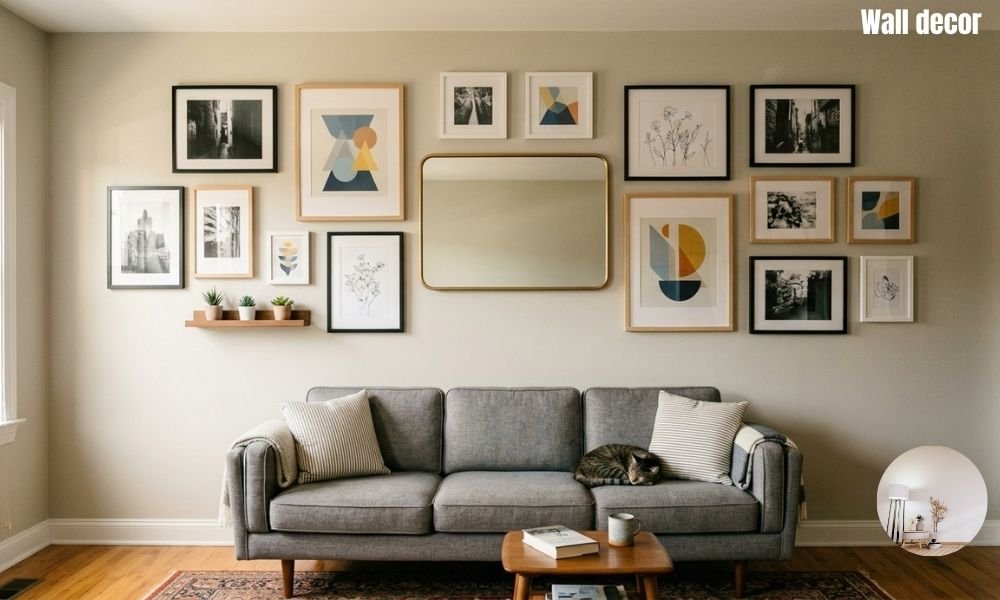
Transforming a house into a home often comes down to the personal touches you add to your walls. Whether you are living in a rental apartment with a strict security deposit policy, or you simply want the flexibility to rearrange your artwork without filling in drill holes later, hanging decor damage-free is the ultimate solution.
You do not need a toolbox full of heavy machinery or a background in carpentry to display your favorite art, photos, and shelves. Modern mounting technologies make it easier than ever to decorate your space cleanly and securely.
Plan Your Wall Layout First
Before you reach for any adhesive or mounting tool, planning is essential. Moving your decor multiple times—even with damage-free tools—increases the chance of paint peeling or adhesive wear.
Use Paper Templates
Trace your frames and wall pieces onto butcher paper or newspaper, cut them out, and use painter’s tape to stick them to the wall. This allows you to experiment with gallery wall layouts, spacing, and height without touching the actual wall surface.
Prepare the Surface Properly
The single biggest reason damage-free hanging methods fail is improper surface preparation. Adhesives stick to dirt, dust, and oil rather than the wall if it isn’t cleaned beforehand.
Cleaning the Area
Wipe down the wall area with standard rubbing alcohol (isopropyl alcohol) and a clean cloth. Avoid household spray cleaners, as they often leave behind a slick residue that prevents adhesives from bonding properly. Allow the wall to dry completely before applying any strips or hooks.
Adhesive Strips and Hooks: The Rental Savior
Adhesive-backed strips and hooks are the gold standard for non-invasive decorating. They come in various sizes rated for specific weight capacities.
- Weight Limits: Always check the weight rating on the packaging. Small strips typically hold up to 4 pounds, while heavy-duty options can handle up to 16 pounds or more.
- Proper Application: Press the strip firmly against the frame and wall for at least 30 seconds.
- Wait Time: Let the adhesive bond with the wall for about an hour before hanging the actual frame or object.
Hook-and-Loop Fasteners for Heavy Frames
For flat-backed picture frames and lightweight canvases, interlocking hook-and-loop (Velcro-style) strips work exceptionally well.
Unlike standard hooks, these strips lock together firmly and keep frames sitting flush against the surface. They also prevent pictures from turning crooked when doors slam or when someone walks by.
Tension Rods and Room Dividers
If you want to hang tapestries, curtains, or light fabric art without touching the main wall, tension rods offer an ideal workaround.
Fit a tension rod between two close walls, inside a window frame, or within an archway. You can drape fabric, hang fairy lights, or clip photos directly onto the rod without a single nail or strip.
Over-the-Door Hooks and Displays
Doors offer prime real estate for wall decor that often goes underutilized. Over-the-door hanging racks and hooks require zero installation. They simply slide over the top edge of any standard interior door, giving you an instant anchor for wreaths, hanging planters, organizers, or framed signs.
Washi Tape for Lightweight Prints and Photos
If your decor consists of unmounted posters, postcards, or polaroids, traditional tape can tear the paper or pull off wall paint.
Decorative Flexibility
Washi tape is a low-tack Japanese masking tape made from natural fibers. It comes in hundreds of colors and patterns, grips gently, and peels off effortlessly without leaving stickiness behind. You can create decorative frames around your photos directly on the wall.
Mounting Putty for Flat Items
Poster putty (or sticky tack) is a pliable compound designed for temporary mounting. It works best for lightweight, flat items like maps, paper prints, and thin wooden signs.
- Knead a small piece until soft.
- Place it on the corners of your print.
- Press firmly against the wall.
Note: Avoid using poster putty on unprimed or freshly painted walls, as oil from the putty can occasionally bleed into porous surfaces.
Leaning Decor: A Stylish Alternative
Who says art has to hang? Leaning large frames, full-length mirrors, and wooden ladders against the wall creates a casual, curated aesthetic favored by interior designers.
Layering Items
Place large artwork on top of a credenza, fireplace mantel, or directly on the floor, layering smaller frames in front. To prevent slipping, place small silicone bumper pads on the bottom edges of the frame resting on the floor or furniture.
Picture Ledges Mounted on Existing Molding
If your home features crown molding or picture rails, you can utilize classic picture hooks that slide over the top lip of the wood trim. Suspend your art using thin wire or decorative ribbon attached to these hooks. This vintage technique adds character while leaving your drywall entirely untouched.
Magnetic Hanging Kits
Magnetic poster hangers use two wooden strips embedded with strong magnets that clamp onto the top and bottom of a paper print or canvas tapestry. You can then hang the assembly using a single adhesive hook or ribbon, making it simple to swap out art seasonally without damaging the prints or the wall.
Grid Panels and Pegboards
Standing wire grid panels or free-standing pegboard room dividers allow you to hang dozens of items—from photos and plant pots to small shelves—in one centralized spot. Since the grid rests on a desk or stands on the floor, your wall remains pristine.
How to Remove Adhesives Safely
Removing damage-free adhesives requires patience. Ripping a strip off quickly will almost certainly take a layer of paint or drywall with it.
- Never pull toward you: Pulling outward stretches the foam and tears the paint.
- Stretch slowly downward: Hold the top of the frame or hook with one hand, grab the pull tab, and stretch it slowly straight down along the wall.
- Use heat if stuck: If an adhesive feels stubborn, warm it up with a hair dryer on low heat for 20 seconds to soften the glue before pulling.
Troubleshooting Common Wall Types
Different wall textures react differently to damage-free hanging methods.
| Wall Type | Best Method | Tip |
| Smooth Drywall | Adhesive Strips, Washi Tape, Putty | Clean thoroughly with alcohol first. |
| Textured/Popcorn Walls | Tension Rods, Leaning Decor | Adhesives struggle to bond on uneven surfaces. |
| Brick / Concrete | Brick Clips, Heavy-Duty Gel Tape | Test tape in an inconspicuous spot first. |
| Wood Panelings | Command Hooks, Picture Rail Hooks | Ensure wood finish isn’t flaking. |
Final Thoughts
Decorating your living space should be an exciting creative outlet, not a source of stress over potential property damage or tedious repairs. With the wide variety of modern tools available today—from high-strength adhesive strips to creative leaning techniques—you can showcase your personal style in any room without leaving a single mark behind. By picking the right method for your decor’s weight and taking time to prepare your wall surface, you get the best of both worlds: a beautifully styled home and flawless, damage-free walls when it comes time to redecorate.